
shell
ผู้เยี่ยมชม
benducket3211@gmail.com
Can a Rollator Walker Make Everyday Mobility More Comfortable? (954 อ่าน)
12 ก.ย. 2569 23:26
A rollator walker is a practical mobility aid designed to provide support, balance, and greater confidence while walking. Unlike traditional walking frames that often need to be lifted and repositioned, a rollator normally uses wheels that allow the frame to move smoothly across suitable surfaces. This design makes it useful for seniors and individuals who need additional walking assistance while still wanting to remain active and independent.
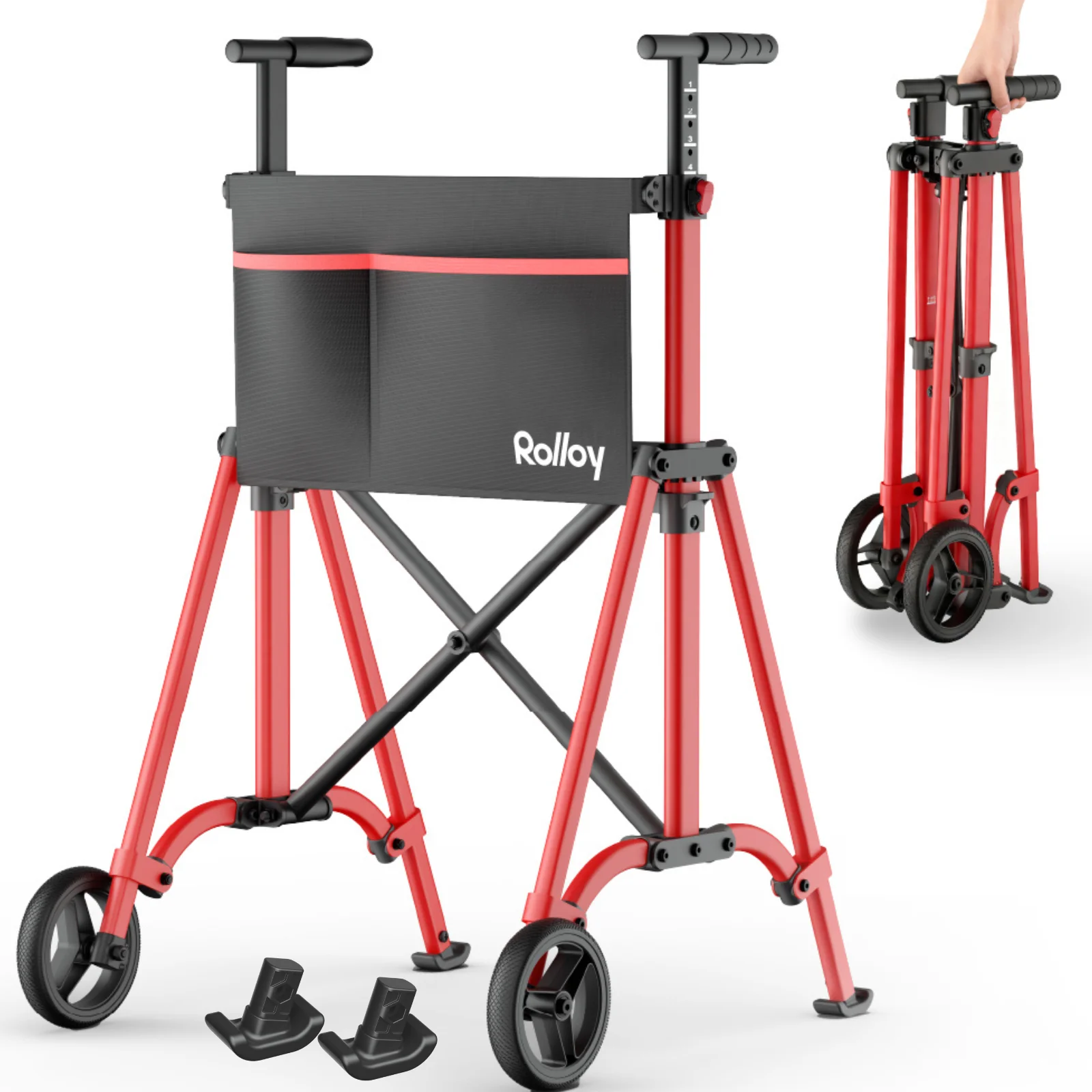
Modern rollators are available in many designs, including lightweight rollator walker, four-wheel walkers, folding mobility walkers, and models with comfortable seats. Depending on the design, a rollator may also include adjustable handles, hand brakes, storage baskets, bags, and backrests. These features can make everyday mobility more convenient at home, during shopping trips, and while spending time outdoors.
Maintaining mobility can be important for quality of life. Simple activities such as walking around the house, visiting friends, attending appointments, or taking a walk through a neighborhood can become more difficult when balance or strength is reduced. A properly selected rollator walker can provide additional support while allowing users to move at a comfortable pace.
Comfortable Walking Support
One of the main advantages of a rollator walker is its smooth rolling design. A traditional walker may require the user to lift the frame before taking each step, which can become tiring over time. A rolling walker moves along with the user, reducing the need to repeatedly lift the frame.
Many modern rollators have four wheels that provide a stable base while allowing easy movement. The user can hold the handles and guide the walker forward, backward, or around suitable spaces. This makes a four-wheel rollator particularly useful for everyday movement.
Handle design can also affect comfort. Many mobility walkers feature ergonomic grips that are designed to feel comfortable during regular use. Adjustable handlebars allow the user to set an appropriate height, which can make the rollator easier to control and support a more natural posture.
Hand brakes are another important feature. They allow users to slow down, stop, and control the movement of the rollator. Reliable brakes can also help keep the walker stationary when the user needs to stop or rest.
Some rollator walkers include built-in seats. A rollator with seat can be especially useful for people who become tired during longer walks. After stopping and securing the brakes, the user can sit and rest before continuing the activity. This feature can make shopping trips, outdoor walks, and visits to large public spaces more convenient.
Storage is another practical addition. Many models have baskets, bags, or pouches that provide space for personal belongings. Carrying items while using a walking aid can be inconvenient, so integrated storage can make everyday activities easier.
Daily Independence
A rollator walker can support greater independence by helping users continue participating in everyday activities. Mobility difficulties may sometimes cause people to avoid certain activities because they are concerned about fatigue or balance. A dependable mobility aid can provide additional reassurance and support.
For seniors, maintaining the ability to move independently can be particularly valuable. A rolling walker may help with activities such as walking through a home, visiting a local store, attending appointments, or spending time with friends and family.
A lightweight rollator walker can be useful for people who frequently travel. Many lightweight models are designed to be easier to lift and transport. Folding designs can also make storage simpler, particularly when the walker needs to be placed inside a vehicle.
Outdoor mobility is another important area. Some outdoor rollators feature larger wheels and durable frames that are designed for suitable sidewalks, paths, and other outdoor surfaces. The right design can make outdoor activities more comfortable while providing consistent walking support.
A rollator with a seat can be especially convenient during longer outings. Instead of needing to find a bench or chair, the user has a resting option available as part of the mobility aid. This can provide greater flexibility during shopping, sightseeing, or community activities.
Indoor mobility also benefits from the right rollator design. A compact walker may be easier to maneuver through hallways, rooms, and doorways. The overall width and wheel size should match the spaces where the mobility aid will be used most frequently.
Storage features can further improve independence. A basket or bag can hold small purchases, personal items, or other essentials. This means users can keep important belongings nearby without needing to carry them while walking.
Modern Rollator Features
Today's rollator walker designs offer a wide range of features intended to improve convenience and comfort. The most suitable design depends on the user's mobility requirements, environment, and lifestyle.
A lightweight mobility walker can be easier to transport, while a heavy-duty rollator may provide a stronger frame for users who need additional durability. The frame should be appropriately sized and suitable for the user's requirements.
Wheel size can also influence performance. Smaller wheels are often convenient for smooth indoor surfaces and compact spaces. Larger wheels can provide improved movement across suitable outdoor areas. People who frequently use their walker outside may prefer a model designed specifically for outdoor mobility.
A folding rollator can be convenient for transportation and storage. When folded, the mobility aid may take up less space in a vehicle or home. This can be particularly useful for users who regularly travel.
Seat design is another consideration. A padded seat can provide a comfortable place to rest, while a backrest may offer additional support. Users who expect to take frequent breaks may find a rollator with a comfortable seating area particularly useful.
Adjustable handles are also valuable because users have different heights and preferences. Correct handle positioning can make the walker easier to control and help users maintain a comfortable walking position.
Braking systems should be simple to understand and operate. Before using a rollator with a seat, users should become familiar with securing the brakes so that the walker remains stationary while resting.
Storage capacity varies between designs. Some models have small pouches, while others include larger baskets or bags. The appropriate option depends on the user's daily activities and the amount of personal equipment they normally carry.
Choosing the Right Walker
Selecting the right rollator walker requires consideration of where the mobility aid will be used and which features are most useful for the user. A compact indoor walker may be ideal for navigating small spaces, while a larger outdoor rollator may be more appropriate for regular outdoor activities.
The weight of the walker is an important consideration. A lightweight model can be easier to lift and transport, while a heavier frame may feel more substantial during use. The user should be able to control the walker comfortably without excessive effort.
The width of the rollator should also suit the user's environment. A narrow design may be easier to move through doorways and hallways, whereas a wider model may offer a larger seating area and additional comfort.
Wheel design should match the intended surfaces. Smooth indoor floors may not require the same wheel characteristics as outdoor sidewalks or walking paths. Choosing a model that matches the environment can make movement more comfortable.
The seating area can be an important feature for people who regularly experience tiredness during walking. A rollator walker with seat provides a convenient resting option, particularly during longer outings.
The handles, brakes, seat, frame, and storage area should all feel practical for regular use. A mobility walker becomes much more useful when its design fits naturally into the user's everyday routine.
Conclusion
A rollator walker can provide valuable walking support while helping users maintain greater comfort, confidence, and independence. Its rolling wheels can make movement easier than lifting a traditional walker, while features such as adjustable handles, hand brakes, storage compartments, and built-in seating can add practical convenience.
Modern rollators are available in lightweight, folding, compact, outdoor, and heavy-duty designs, giving users plenty of options for different lifestyles. The right mobility walker can support everyday movement around the home, shopping trips, appointments, outdoor activities, and social occasions.
43.242.176.93
shell
ผู้เยี่ยมชม
benducket3211@gmail.com