
pavasat
ผู้เยี่ยมชม
pavasat@outlook.com
Pava hats (6 อ่าน)
28 ต.ค. 2569 09:47
Pava hats: History, Meaning, and How to Wear This Traditional Puerto Rican Hat
A pava hat is more than just a simple sun hat—it’s a powerful symbol of Puerto Rican culture, rural life, and national identity. If you’ve ever seen images of Puerto Rican jíbaros (traditional mountain farmers) or cultural parades on the island, you’ve likely seen the iconic pava hat.
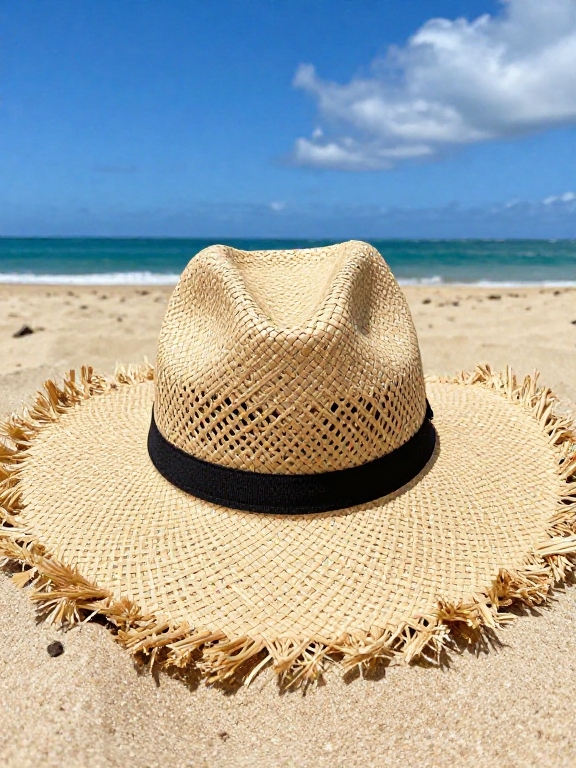
In this guide, you’ll learn what a pava hat is, its history and meaning, how it’s made, and how to style and care for one today.
## What Is a Pava Hat?
A pava hat is a traditional straw hat from Puerto Rico, closely associated with the **jíbaro**, the rural farmer of the island’s mountains.
Key characteristics of a pava hat:
- Made from palm or straw (traditionally from the *palmiche* palm)
- Lightweight and breathable
- Wide brim for sun protection
- Simple, rustic appearance
- Often light beige or natural straw color About Pava hats
The pava hat is both practical and symbolic—it protects from the tropical sun while representing humility, hard work, and Puerto Rican pride.
## The Cultural Meaning of the Pava Hat
The pava hat is one of the strongest visual symbols of Puerto Rican identity. It appears in:
- **Folkloric dances and festivals**: Dancers and performers often use pava hats to represent jíbaro culture.
- **National celebrations**: Worn during parades, patriotic events, and cultural heritage days.
- **Art and literature**: Paintings, poems, and songs often depict the jíbaro wearing a pava as a symbol of the island’s roots.
For many Puerto Ricans, the pava hat represents:
- Connection to the land and agriculture
- Simplicity and resilience
- Pride in rural and working-class traditions
It is also sometimes worn as a political or social statement, emphasizing local identity and cultural resistance to homogenization.
## A Brief History of the Pava Hat
The pava hat developed as a functional item used by agricultural workers in Puerto Rico’s mountainous interior. Over time, it evolved from a simple work hat into a national icon.
Important points in its history:
- **Colonial and postcolonial periods**: Rural workers needed affordable protection from the Caribbean sun. Palm leaves were widely available, making them ideal for hat-making.
- **Rise of the jíbaro symbol**: In the late 19th and 20th centuries, the jíbaro became a romanticized symbol of the true Puerto Rican spirit—honest, hardworking, humble. The pava hat became a visual shorthand for this image.
- **Modern era**: As Puerto Rico urbanized, the pava transitioned from everyday rural clothing to a cultural emblem used in celebrations, tourism, music, and art.
Though fewer people rely on it as a daily work hat today, the pava remains central in traditional costumes and heritage events.
## How a Traditional Pava Hat Is Made
Traditional pava hats are handwoven from palm fibers. While methods can vary by artisan and region, the general process includes:
1. **Harvesting the palm leaves**
- Young, flexible palm leaves are cut from the tree.
- They are cleaned and sometimes split into thinner strips.
2. **Drying the fibers**
- The leaves are dried in the sun until they reach the right stiffness and color.
- Proper drying is crucial to prevent mold and ensure durability.
3. **Weaving the crown**
- The top of the hat (the crown) is woven first.
- Artisans interlace the strips into a tight, consistent pattern to give the hat structure.
4. **Forming the brim**
- Once the crown is shaped, the brim is woven outward in a circular pattern.
- The brim is usually wide enough to cover the face, ears, and neck.
5. **Finishing touches**
- Excess fibers are trimmed.
- Some makers add a simple band or leave it entirely natural.
Handmade pava hats can vary in tightness of weave, thickness, and flexibility. Finer weaving usually means a more durable and polished hat.
## Pava Hat vs. Other Straw Hats
A pava hat may look similar to other straw hats, but it has distinct roots and styles:
- **Panama hat**: Typically made in Ecuador from toquilla straw; more refined and dressy; different crown and brim shape.
- **Sombrero**: Used in various Latin American countries; often has a larger, more dramatic brim and taller crown.
- **Generic beach straw hat**: Mass-produced and not tied to a specific culture or symbolism.
The main difference is that the pava hat is directly tied to Puerto Rican jíbaro culture and national identity, not just sun protection.
## When and How to Wear a Pava Hat
You can wear a pava hat both for cultural occasions and as a functional sun hat.
### Cultural and Festive Uses
The pava hat is commonly worn during:
- Three Kings Day celebrations
- Patron saint festivals (*fiestas patronales*)
- Folkloric dance performances
- Puerto Rican Day parades (on the island and in the diaspora)
- School and community cultural events
Paired with typical jíbaro clothing—white or neutral shirt, simple pants or skirt, and sometimes a sash—it completes the traditional look.
### Everyday and Casual Style
Pava hats gallery<br style="font-family: 'Microsoft YaHei'; font-size: medium;" />Read this***<br style="font-family: 'Microsoft YaHei'; font-size: medium;" />Pava hats Recent***s
You can also wear a pava hat casually:
- As a unique summer hat at the beach or park
- With light cotton shirts, linen outfits, or casual dresses
- At outdoor festivals or cultural fairs
Because it’s light and breathable, it works especially well in hot, sunny climates.
## How to Choose a Pava Hat
When shopping for a pava hat, consider:
1. **Material**
- Traditional: palm or natural straw
- Modern: sometimes mixed with synthetic fibers for durability
- For authenticity, look for natural palm or straw.
2. **Size and fit**
- Make sure the crown fits your head comfortably—not too tight or too loose.
- The brim should provide good shade without blocking your vision.
3. **Weave quality**
- Tighter, even weaving usually means better quality.
- Check for weak spots, cracks, or loose ends.
4. **Origin**
- If cultural authenticity matters to you, look for hats made in Puerto Rico or by Puerto Rican artisans.
- Buying directly from artisans or reputable cultural shops helps support traditional craft.
## Caring for a Pava Hat
Proper care will keep your pava hat in good condition for years:
- **Avoid soaking it**: Straw and palm hats can deform or weaken if submerged in water. Light rain is usually fine, but dry it out gently afterward.
- **Store correctly**:
- Keep it in a cool, dry place.
- Avoid crushing it under heavy items.
- If possible, store it on a hook, peg, or hat stand.
- **Clean gently**:
- Use a soft brush or dry cloth to remove dust.
- For small stains, a slightly damp cloth can help, but don’t over-wet the fiber.
- **Protect from extreme heat**:
- Direct, intense heat (like a car dashboard in full sun) can warp or dry out the material.
## Where to Buy a Pava Hat
Depending on your location, you can find pava hats:
- **In Puerto Rico**:
- Artisan markets and craft fairs
- Tourist shops in Old San Juan and other cultural centers
- Local festivals or cultural events
- **Outside Puerto Rico**:
- Stores specializing in Latin American or Caribbean products
- Online marketplaces featuring Puerto Rican artisans
- Cultural organizations and festival vendors
Whenever possible, prioritize sellers who clearly identify the hat as a pava and acknowledge its Puerto Rican origins.
## Why the Pava Hat Still Matters Today
The pava hat remains important because it connects people to:
- An agricultural past that shaped Puerto Rico’s society
- The image of the jíbaro as a symbol of perseverance and dignity
- Cultural roots that many Puerto Ricans in the diaspora want to preserve and celebrate
https://www.teeraindustry.com/forum/topic/168022/pava-hats
Wearing a pava hat can be an expression of heritage, respect, and pride—whether at a festival, a parade, or simply in everyday life.
If you are interested in Puerto Rican culture, adding a pava hat to your wardrobe is a meaningful way to honor the island’s traditions and keep this iconic symbol alive.
61.221.116.28
pavasat
ผู้เยี่ยมชม
pavasat@outlook.com