
shell
ผู้เยี่ยมชม
benducket3211@gmail.com
How Can Smart Classroom Solutions Transform Modern Education and Improve Student Learning? (4 อ่าน)
29 ต.ค. 2569 13:15
Smart classroom solutions are transforming modern education by combining advanced technology, interactive learning tools, and innovative teaching methods to create more effective educational environments. Schools, colleges, and universities are increasingly adopting digital classroom technology to improve student engagement, simplify teaching activities, and support better academic performance. These modern solutions help educators move beyond traditional teaching methods and introduce more interactive, flexible, and collaborative learning experiences.
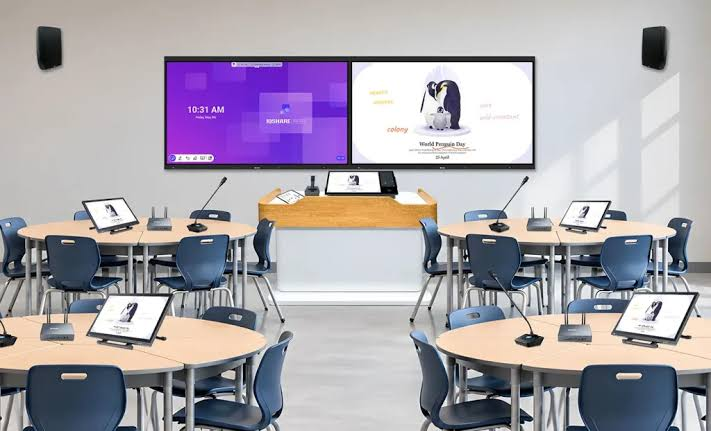
A smart classroom uses technology such as interactive displays, digital whiteboards, projectors, audio systems, educational software, and internet-connected devices to support teaching and learning. These tools allow teachers to present***rmation through videos, animations, digital presentations, and real-time demonstrations. Students can participate in classroom activities, access online learning materials, and develop a deeper understanding of complex subjects.
The growing demand for smart classroom solutions reflects the changing needs of the education sector. Teachers require efficient tools to manage lessons, while students benefit from engaging educational resources that accommodate different learning styles. Educational institutions also need reliable systems that improve classroom organization and make better use of available resources.
Smart classroom technology is not limited to expensive digital equipment. It also includes classroom management software, learning management systems, student response applications, and digital assessment platforms. When these resources are combined with effective teaching strategies, they can create a balanced educational environment that supports academic growth and prepares students for a technology-driven future.
Modern Technology in Smart Classroom Solutions
Modern smart classroom solutions bring different educational technologies together to improve communication, lesson delivery, and student participation. Interactive flat panels and digital whiteboards are among the most popular tools used in technology-enabled classrooms. These displays allow teachers to write notes, explain diagrams, display educational videos, and interact with digital content directly on the screen. Unlike traditional boards, interactive displays can save lesson materials for future use, helping educators organize their teaching resources more efficiently.
Audio-visual equipment also plays an important role in smart learning environments. High-quality speakers, microphones, document cameras, and projectors help teachers communicate***rmation clearly. Visual presentations can make difficult concepts easier to understand, particularly in subjects such as mathematics, science, geography, and computer studies. For example, students can observe digital science experiments or explore geographical locations through interactive maps without leaving the classroom.
Another important component is the learning management system, commonly known as an LMS. These digital platforms allow teachers to upload course materials, distribute assignments, share announcements, and monitor student progress. Students can access educational resources, submit their work, and review lessons outside regular classroom hours. This flexibility supports blended learning, where traditional classroom instruction is combined with online educational activities.
Cloud-based educational tools can further improve collaboration between teachers and students. Shared documents, digital presentations, online quizzes, and virtual discussion spaces allow students to work together on assignments and projects. Teachers can provide feedback electronically and track learning activities more efficiently. These features are especially useful for schools that want to develop digital learning environments without depending entirely on printed materials.
Artificial intelligence is also becoming part of modern classroom technology. AI-powered educational platforms can provide practice questions, explain difficult concepts, and recommend learning resources based on student performance. Teachers may use digital assessment tools to identify common mistakes and recognize students who need additional assistance. However, AI should support professional teaching rather than replace the guidance, judgment, and personal interaction provided by educators.
Reliable internet connectivity, compatible devices, and appropriate technical support are essential for successful implementation. Schools should evaluate their existing infrastructure before purchasing new equipment. They should also consider cybersecurity, student privacy, and software compatibility to ensure that smart classroom technology remains reliable and secure.
Benefits of Smart Classroom Solutions for Students and Teachers
smart classroom solutions offer several advantages for students, teachers, and educational institutions. One of the most significant benefits is improved student engagement. Interactive lessons encourage learners to participate rather than simply listen to lectures. Digital quizzes, educational games, multimedia presentations, and classroom response systems can make learning more interesting while helping teachers understand whether students have grasped the material.
Personalized learning is another important advantage. Students do not always learn at the same speed or respond to the same teaching methods. Digital learning platforms can provide different types of educational content, allowing students to review lessons and practice challenging topics at their own pace. Teachers can use assessment results to identify learning gaps and adjust their instruction according to individual needs.
Smart classroom technology can also improve teaching efficiency. Preparing lessons, recording attendance, distributing assignments, and checking assessments can require considerable time. Digital classroom management systems help organize these activities and reduce repetitive administrative work. As a result, teachers can dedicate more time to explaining concepts, answering questions, and providing individual support.
Collaboration is another valuable feature of technology-enabled classrooms. Students can work together using shared digital documents, interactive screens, and educational applications. Group activities encourage communication, problem-solving, creativity, and teamwork. These skills are important for academic success and future employment because many professional environments require people to collaborate and use digital tools effectively.
Smart classroom solutions can also support remote and hybrid learning. Schools can use video conferencing software, digital course materials, and online assignment systems to maintain communication when students cannot attend lessons in person. Recorded presentations and downloadable resources allow learners to review***rmation after class, making educational materials more accessible.
Accessibility is equally important. Captions, screen readers, adjustable text sizes, audio resources, and compatible assistive technologies can help students with different learning requirements participate more effectively. When educational institutions prioritize accessibility, smart classrooms can create more inclusive environments where students have better opportunities to learn.
Despite these benefits, technology alone cannot guarantee improved academic results. Teachers need proper training, students require clear instructions, and schools must maintain their equipment regularly. Excessive screen time and unreliable internet access can also create challenges. The most effective approach combines digital learning tools with classroom discussions, practical exercises, reading, writing, and meaningful teacher-student interaction.
Choosing the Right Smart Classroom Solutions
Selecting suitable smart classroom solutions requires careful planning and a clear understanding of educational goals. Schools should consider their student population, classroom size, teaching requirements, available budget, and existing technology before making purchasing decisions. A primary school may benefit from interactive displays and age-appropriate learning applications, while a secondary school may require advanced presentation systems, digital laboratories, and collaborative software.
Budget planning is essential because the cost of smart classroom technology extends beyond the initial purchase. Schools may need to pay for installation, software subscriptions, maintenance, replacement equipment, internet connectivity, and teacher training. Evaluating the total cost of ownership helps administrators select affordable solutions that deliver long-term educational value.
Ease of use should also influence purchasing decisions. Teachers need systems that are simple to operate and compatible with their existing teaching methods. Complicated software or poorly designed equipment can interrupt lessons and reduce adoption. Schools should arrange demonstrations, provide staff training, and choose products with dependable technical support.
Security and privacy must remain priorities when introducing digital learning platforms. Classroom systems may store student***rmation, academic records, attendance data, and assessment results. Educational institutions should review privacy policies, access controls, security features, and data management practices before adopting a new platform. Protecting educational***rmation helps maintain trust between schools, parents, students, and teachers.
Scalability is another important consideration. Schools should select technology that can accommodate future growth, additional classrooms, and changing educational requirements. Compatible devices and flexible software platforms can make it easier to expand a smart learning environment without replacing every existing component.
Regular evaluation helps schools determine whether their investment is producing meaningful results. Teachers can provide feedback about classroom usability, while administrators can monitor student participation, technical reliability, and learning outcomes. By reviewing this***rmation, educational institutions can identify weaknesses, improve implementation, and make***rmed decisions about future technology investments.
Conclusion: The Future of Education With Smart Classroom Solutions
Smart classroom solutions are helping educational institutions create more interactive, flexible, and efficient learning environments. Through interactive displays, digital whiteboards, learning management systems, educational software, and AI-powered learning tools, schools can improve lesson delivery and provide students with more opportunities to participate actively in their education.
These solutions also support personalized learning, classroom collaboration, accessibility, and communication between teachers and students. However, successful implementation requires more than purchasing modern equipment. Schools must invest in teacher training, reliable infrastructure, data security, technical support, and educational strategies that focus on student needs.
43.242.176.100
shell
ผู้เยี่ยมชม
benducket3211@gmail.com