
hel
ผู้เยี่ยมชม
benducket3211@gmail.com
Classroom Technology Innovations Transforming Modern Education? (2999 อ่าน)
22 พ.ค. 2569 02:09
Classroom technology has become one of the most important elements in modern education systems. Schools, colleges, universities, and training centers are increasingly adopting digital learning tools to improve student engagement, simplify teaching processes, and create interactive educational experiences. The rapid growth of educational technology has completely changed the traditional classroom environment by introducing smart devices, virtual learning platforms, and advanced communication systems.
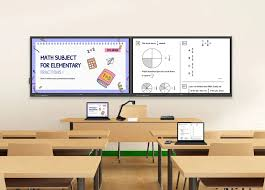
Modern classrooms are no longer limited to textbooks and whiteboards. Today’s students learn through interactive displays, digital content, educational apps, online collaboration tools, and multimedia presentations. Teachers also benefit from classroom technology because it allows them to manage lessons more effectively while providing personalized learning experiences for students with different educational needs.
The integration of classroom technology supports both in-person and remote learning. Educational institutions are now investing in smart classroom solutions that include interactive whiteboards, tablets, projectors, cloud-based learning management systems, and video conferencing platforms. These technologies create a flexible learning environment where students can access educational resources anytime and from any location.
Digital transformation in education has also increased the demand for online learning tools and virtual classroom software. Educational institutions are focusing on innovative teaching methods that combine traditional instruction with digital learning experiences. As a result, classroom technology has become essential for preparing students for the modern workforce and technology-driven industries.
Smart Classroom Technology and Interactive Learning
Smart classroom technology is helping educators create more engaging and collaborative learning experiences. Interactive whiteboards and touchscreen displays allow teachers to present lessons dynamically while encouraging student participation. These digital boards support multimedia content, real-time annotations, educational games, and collaborative activities that make learning more enjoyable.
Interactive learning technology improves student concentration and knowledge retention. Students can participate in quizzes, group discussions, and digital assignments using tablets, laptops, and classroom response systems. This interactive approach helps teachers monitor student performance instantly and adjust teaching methods based on classroom needs.
Educational software platforms also play a major role in modern classroom environments. Learning management systems enable teachers to organize assignments, share study materials, conduct assessments, and communicate with students efficiently. Online classroom technology supports hybrid learning models where students can attend lessons remotely while maintaining access to educational content.
Artificial intelligence is becoming increasingly important in educational technology. AI-powered learning systems can analyze student progress, identify learning difficulties, and provide personalized recommendations. Adaptive learning software allows students to learn at their own pace while improving academic performance through customized instruction.
Virtual reality and augmented reality are transforming classroom experiences by making lessons more immersive and engaging. Students can explore historical landmarks, scientific concepts, and complex engineering models through virtual simulations. These advanced classroom technologies help students understand difficult topics more effectively by combining visual learning with interactive experiences.
Digital collaboration tools have also improved communication between teachers and students. Cloud-based platforms allow students to work on projects together, share files instantly, and participate in virtual discussions. This collaborative learning environment encourages teamwork, creativity, and problem-solving skills.
Educational Benefits of Classroom Technology
Classroom technology provides significant advantages for both students and educators. One of the biggest benefits is improved student engagement. Interactive learning tools capture student attention more effectively than traditional teaching methods, leading to better participation and academic performance.
Technology in education also supports personalized learning. Every student has a unique learning style, and digital tools make it easier for teachers to customize instruction according to individual needs. Some students learn better through videos and visual presentations, while others prefer interactive exercises or digital reading materials. Classroom technology makes it possible to provide multiple learning formats within the same lesson.
Another important benefit is accessibility. Online educational platforms allow students to access learning materials from home or other remote locations. This flexibility became especially valuable during the rise of remote learning and virtual classrooms. Students who miss classes due to illness or travel can continue their education through recorded lessons and digital assignments.
Teachers also experience greater efficiency with classroom management technology. Automated grading systems, attendance tracking software, and digital assessment tools reduce administrative workload and allow educators to focus more on teaching. Smart classroom management systems help organize schedules, monitor student progress, and improve communication with parents.
Educational technology also prepares students for future careers by developing digital literacy skills. Modern workplaces require employees to understand digital communication tools, online collaboration platforms, and technology-driven workflows. Classroom technology introduces students to these systems early in their academic journey, helping them build confidence and technical abilities.
Cybersecurity and digital responsibility are becoming important aspects of classroom technology as well. Educational institutions are teaching students how to use digital tools safely and responsibly. Secure learning platforms and privacy-focused educational software help protect student***rmation while promoting safe online practices.
Future Trends in Classroom Technology
The future of classroom technology is expected to bring even more innovation to the education sector. Artificial intelligence, machine learning, and automation will continue shaping digital learning environments. AI tutors and intelligent educational assistants may soon become common features in classrooms, helping students receive immediate support and feedback.
Cloud-based education systems are likely to expand further as schools adopt scalable and flexible digital learning platforms. These systems allow students and teachers to access educational resources from multiple devices without technical limitations. Cloud technology also improves collaboration between institutions, educators, and learners worldwide.
Gamification is another growing trend in educational technology. Game-based learning platforms use rewards, challenges, and interactive activities to motivate students and improve participation. Educational games help make difficult subjects more interesting while encouraging healthy competition and skill development.
The development of 5G connectivity will also improve classroom technology by enabling faster internet speeds and smoother virtual learning experiences. High-speed connectivity supports advanced video conferencing, real-time collaboration, and immersive educational applications without interruptions.
Sustainable technology solutions are becoming increasingly important in educational institutions. Energy-efficient devices, paperless classrooms, and eco-friendly digital systems help schools reduce operational costs and environmental impact. Many schools are transitioning toward digital textbooks and cloud storage systems to support sustainability initiatives.
The role of data analytics in education will continue growing as institutions seek better ways to measure academic performance and student engagement. Educational analytics platforms can identify trends, predict learning outcomes, and help educators improve teaching strategies based on real-time data.
Conclusion
Classroom technology has transformed the education industry by creating more interactive, accessible, and efficient learning environments. From smart boards and online learning platforms to artificial intelligence and virtual reality, modern educational technology continues improving the way students learn and teachers instruct. These digital solutions enhance student engagement, support personalized learning, and prepare learners for technology-driven careers.
As educational institutions continue embracing innovation, classroom technology will remain a key factor in shaping the future of learning. Schools and universities investing in advanced educational tools can create smarter classrooms that encourage collaboration, creativity, and academic success. The continued evolution of classroom technology will provide even greater opportunities for students and educators in the years ahead.
43.242.177.201
hel
ผู้เยี่ยมชม
benducket3211@gmail.com
james
ผู้เยี่ยมชม
mueben@mail.com
2 มิ.ย. 2569 12:36 #1
Prepare smarter for your networking certification with 4A0-D01 dumps from https://www.dumpsexpert.com/4A0-D01-Exam-Dumps.html, now available with an exclusive 70% discount sale. This updated study package is designed to help candidates understand important networking concepts through real exam-style questions, detailed explanations, and realistic practice tests. The DumpsExpert material closely follows the latest exam objectives, helping learners strengthen weak areas and improve confidence before the actual certification exam. With flexible study formats accessible on laptops, tablets, and mobile devices, candidates can prepare anytime and anywhere with ease. Take advantage of this limited-time 70% discount offer and boost your chances of passing the 4A0-D01 certification exam successfully.
<div id="gtx-trans" style="position: absolute; left: 541px; top: -14.0085px;"> </div>
207.244.89.161
james
ผู้เยี่ยมชม
mueben@mail.com
Tim David
ผู้เยี่ยมชม
davidtim00990@gmail.com
27 ก.ค. 2569 13:52 #2
<span dir="auto" style="vertical-align: inherit;"><span dir="auto" style="vertical-align: inherit;">The first opinion you read rarely tells the complete story. Exploring MyAssignmentHelp Legit through detailed user discussions, transparent***rmation and independent sources can help readers build a balanced perspective before reaching their own conclusion.</span></span>
14.96.96.54
Tim David
ผู้เยี่ยมชม
davidtim00990@gmail.com